Respirable Crystalline Silica (RCS) may be an invisible threat, but its impact on health, productivity, reputation, and financial viability is very real.
With OSHA (USA) and EU health agencies tightening Permissible Exposure Limits (PEL), foundries must move from reactive, PPE-based strategies to proactive engineering controls that eliminate dust at its point of origin.
Direct and Indirect Economic Burdens of Silica Dust
The "true cost" of silica is often hidden within complex layers of insurance premiums, legal liabilities, and maintenance cycles. In the current market, these costs represent a Tier-1 business risk.
As of January 2025, OSHA (Occupational Safety and Health Administration) has updated its maximum penalty amounts to reflect inflation, treating silica violations as high-stakes financial liabilities:
- Serious Violations: Up to $16,550 per individual infraction
- Willful or Repeated Violations: Can reach $165,514 per instance
- Agregated Fines: Inspectors frequently "group" violations, often driving total fines above $100,000 for a single inspection.
Beyond regulatory pressure, foundries face significant healthcare expenses and medico-legal liabilities. The U.S. legal landscape is defined by "Toxic Tort” litigations, which can cripple corporate balance sheets:
- Settlement Ranges: Average settlements for silicosis or silica-related lung cancer cases range between $25,000 and over $1,000,000 per worker
- Record Awards: In cases of proven negligence, juries have awarded total damages (including punitive damages) exceeding $20 million for a single case.
Furthermore, silica impacts labor and insurance dynamics.
The "Great Resignation" and the subsequent labor tightening of the mid-2020s have made health and safety a competitive necessity:
- Workforce Retention: Foundries with high dust profiles face a 30% higher turnover rate. Replacing a skilled operator costs approximately 1.5x his annual salary in recruitment and training.
- Experience Modifier Rate (EMR): A single silica-related disability claim can spike an employer's EMR, leading to a 20-50% increase in Workers’ Compensation premiums for a three-year window.
Root Cause Analysis: Vibration as a "Dust Engine"
The primary source of airborne dust in foundries is the handling and processing of silica-bearing castings.
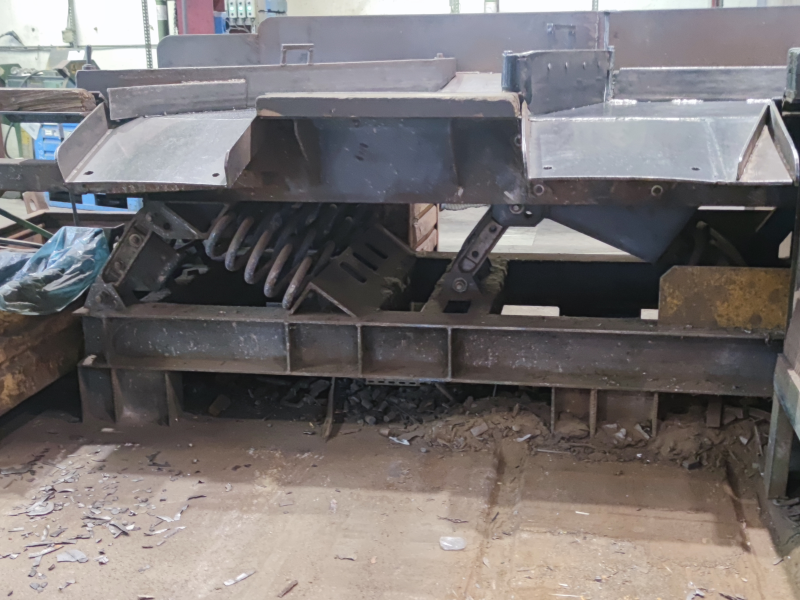
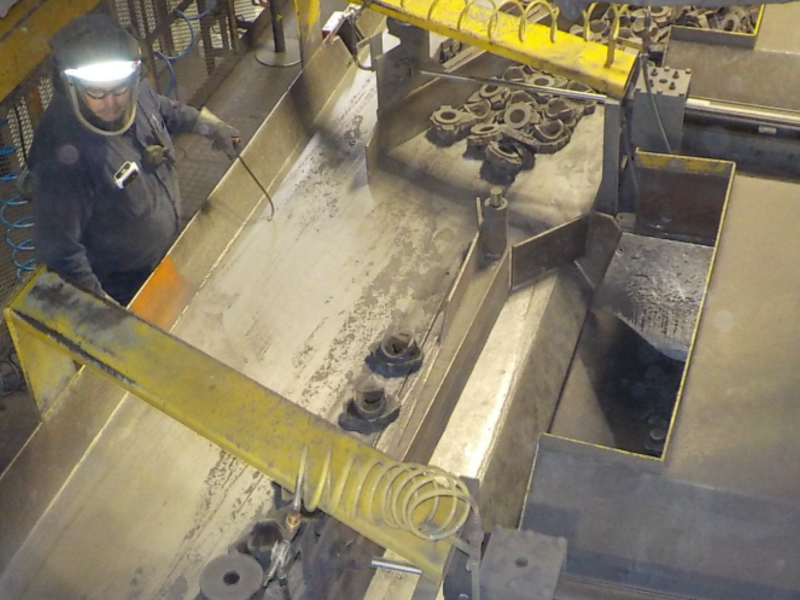
Although commonly used, vibratory conveyors rely on high-frequency mechanical agitation to move material. This constant shaking acts as a "dust engine", aerosolizing fine silica particles and keeping them suspended in the operators' breathing zone. This creates a perpetual cycle of contamination that overburdens air filtration systems.
Furthermore, due to its Mohs hardness of 7, airborne silica dust acts as a potent abrasive and, when infiltrating equipment, it leads to rapid component wear. Standard bearings and sensors in vibratory environments often see a 40% reduction in MTBF (Mean Time Between Failure), eroding profitability through increased downtime.
Dust Control at the Source: The Superbelt® Conveyor Technology
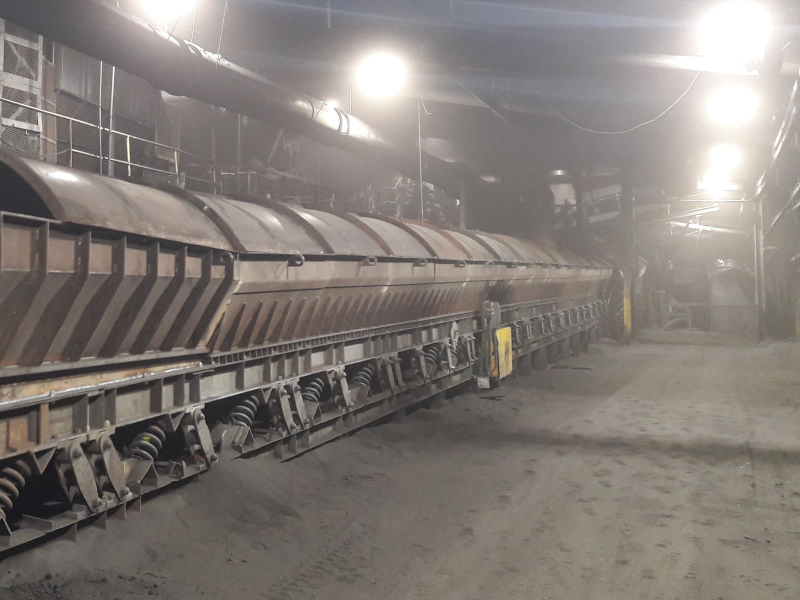
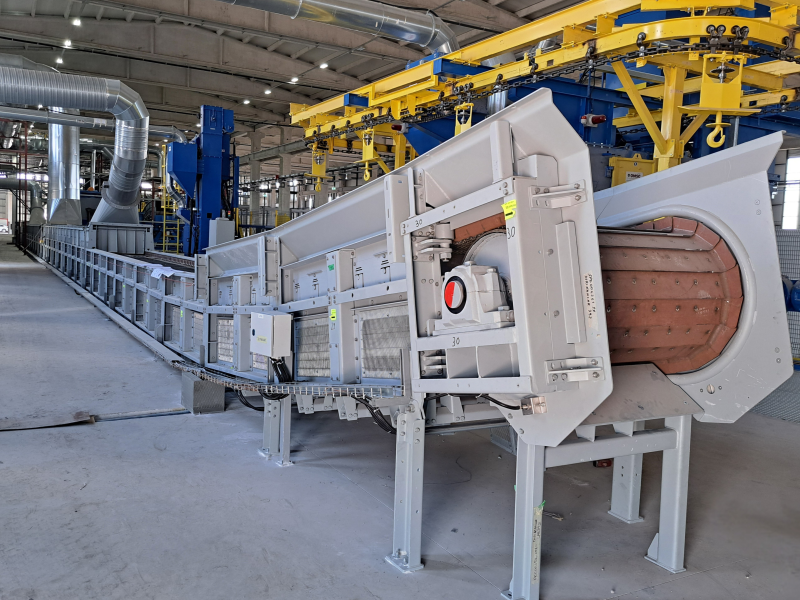
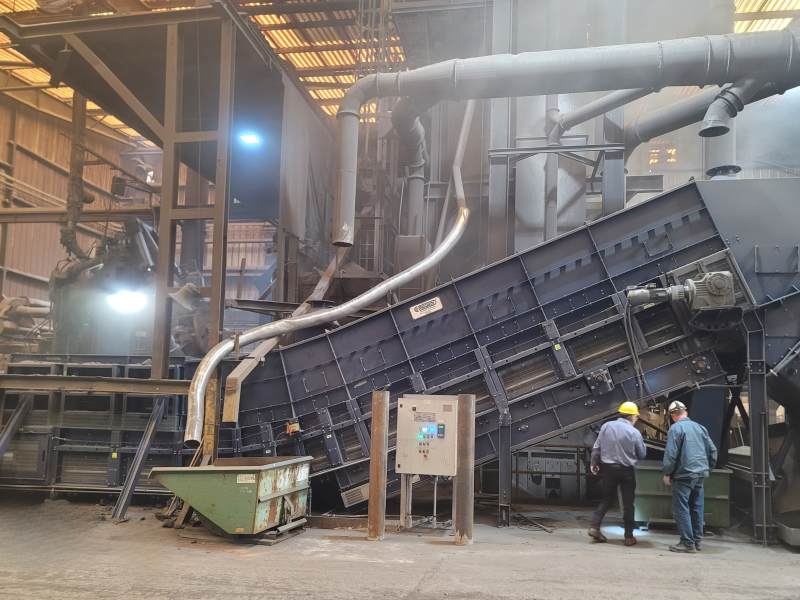
True mitigation requires a shift in mechanical philosophy: transitioning from material agitation to vibration-free transport. The Magaldi Superbelt® addresses RCS at the source thanks to a unique "conveying-while-contained" approach:
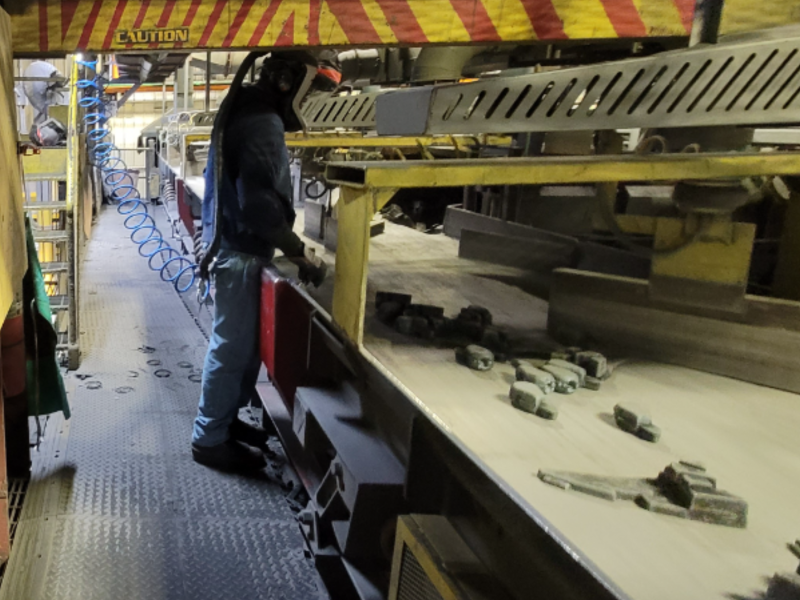
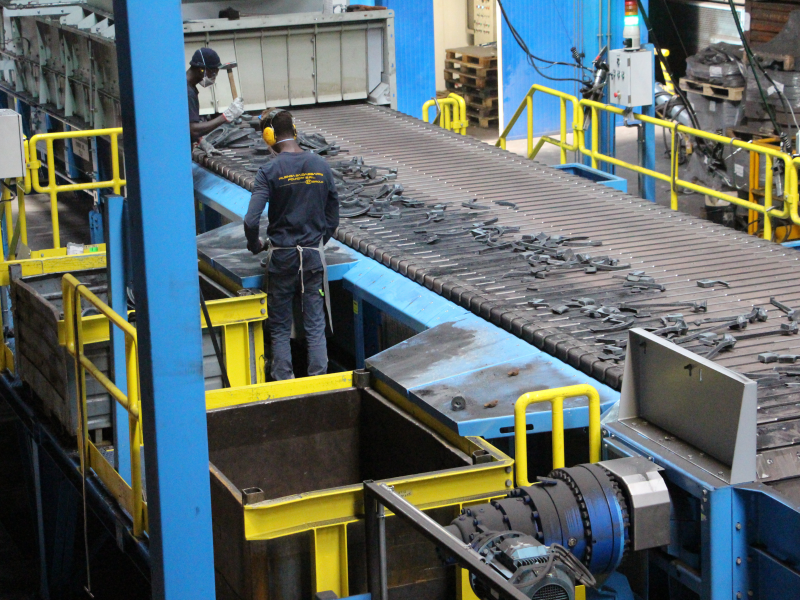
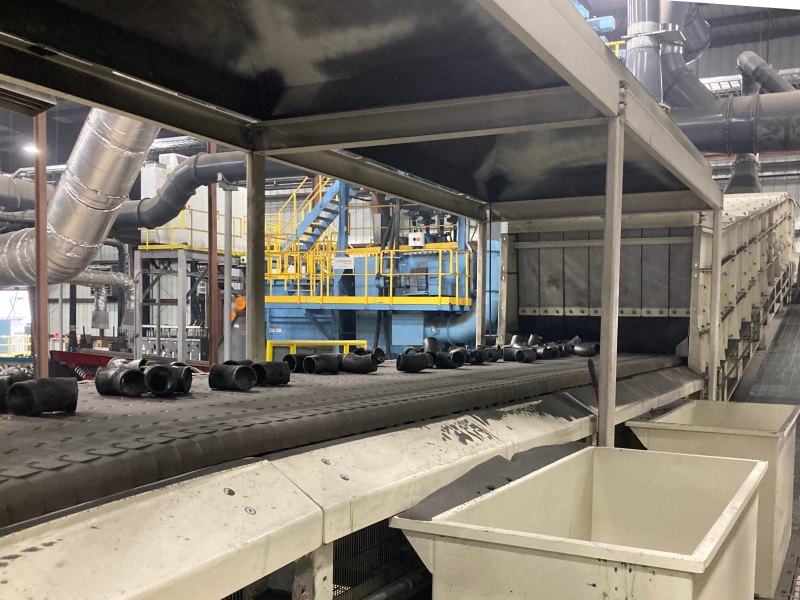
- GENTLE TRANSPORT – Material is conveyed smoothly and slowly, without vibrations nor shaking. Because there is no relative movement between the castings, sand, and the belt, silica particles remain settled on the conveyor.
- TIGHT PAN DESIGN - The overlapping steel pan geometry creates a tight seal that prevents fine particulates from migrating into the drive components, protecting both the machinery and the surrounding floor space.
- INTEGRATED ENGINEERING CONTROLS - Custom-built features like sealed loading chutes, heavy-duty belt cleaners, tailored skirting systems and transfer points ensure that "carry-back" and spillage - common sources of secondary dust - are eliminated.
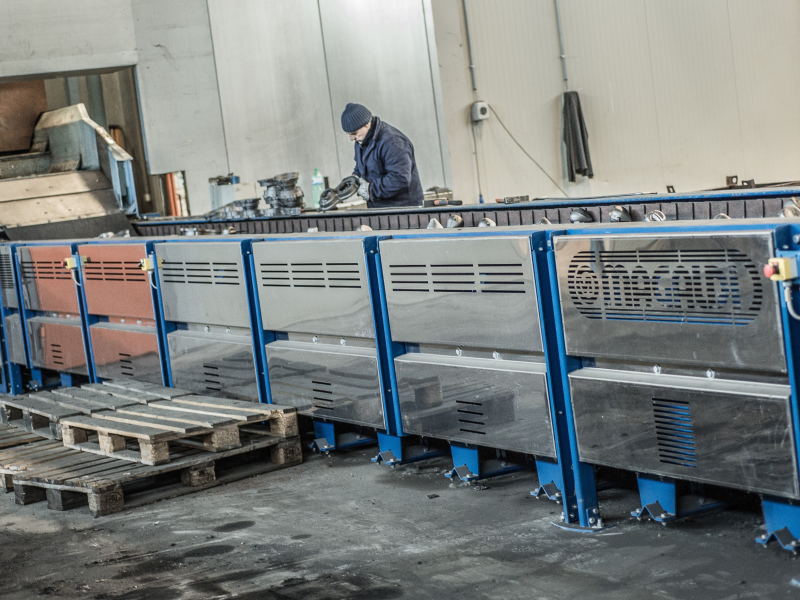
- TOTAL ENCLOSURE - When fully enclosed in a steel casing and integrated with dust extraction, the Superbelt® ensures that virtually no dust escapes the system, drastically reducing the load on the facility’s primary HVAC and filtration units.
By targeting the mechanical source of dust generation rather than managing the symptoms, foundries can secure their equipment lifespan, protect their workforce, and ensure long-term financial resilience in an increasingly regulated global market. Moving to vibration-free handling is not merely a compliance fix but a critical driver of operational resilience and a strategic necessity for any operation that takes efficiency and staff retention seriously.
👉 If you can drastically reduce silica exposure, the question is no longer why change - it's why wait!
Get in touch with our experts to start your clean and quiet revolution!