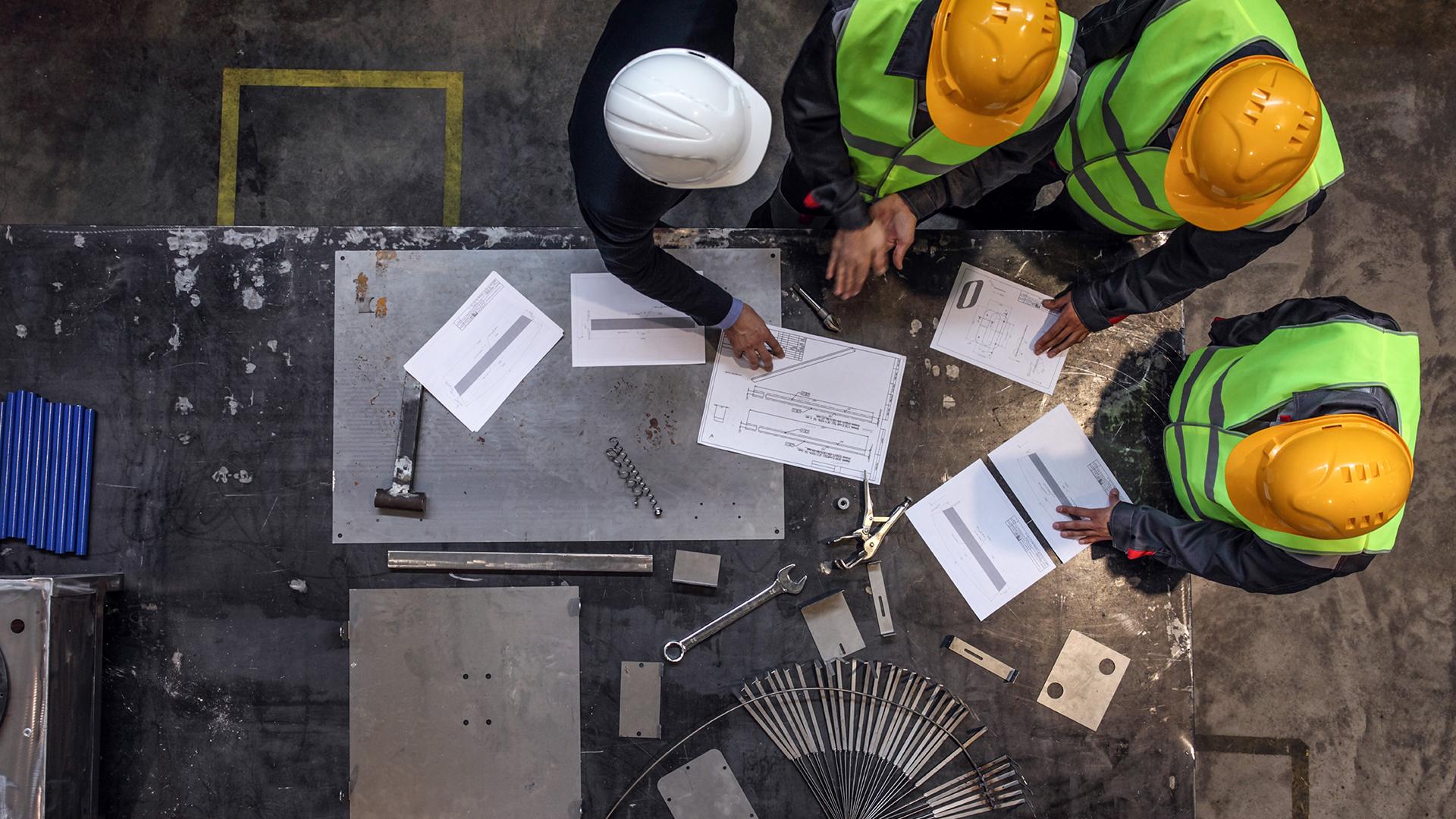
Foundries are currently struggling with a shrinking talent pool for "dirty, dull, and dangerous" (3D) jobs. Manual casting sorting is a striking case in point.
In high-throughput environments, reliance on manual intervention presents three systemic criticalities that directly impact Bottom Line and OPEX:
- PERFORMANCE FLUCTUATIONS - Human cognitive and physical performance is inversely proportional to shift duration, ambient temperature, and dust levels. Sorting errors lead to high scrap rates at the finishing stage and production slowdowns.
- SAFETY & ERGONOMICS - Sorting involves the repetitive lifting of hot, abrasive parts in proximity to sharp flash and sprues. This grueling environment is a primary driver of injuries, causing high turnover and soaring Workers' Compensation premiums. Relying on manual labor no longer just impacts safety; it directly threatens the plant's bottom line and operational continuity.
- LAYOUT CONGESTION - Manual sorting often necessitates extensive buffer zones to manage material surges. When the sorting pace lags, it forces the entire molding line to throttle back, creating "stop islands" that disrupt the seamless, just-in-time flow toward downstream machining operations.
Automating the sorting phase eliminates the uncertainty associated with manual operations.
Automatic Casting Sorting
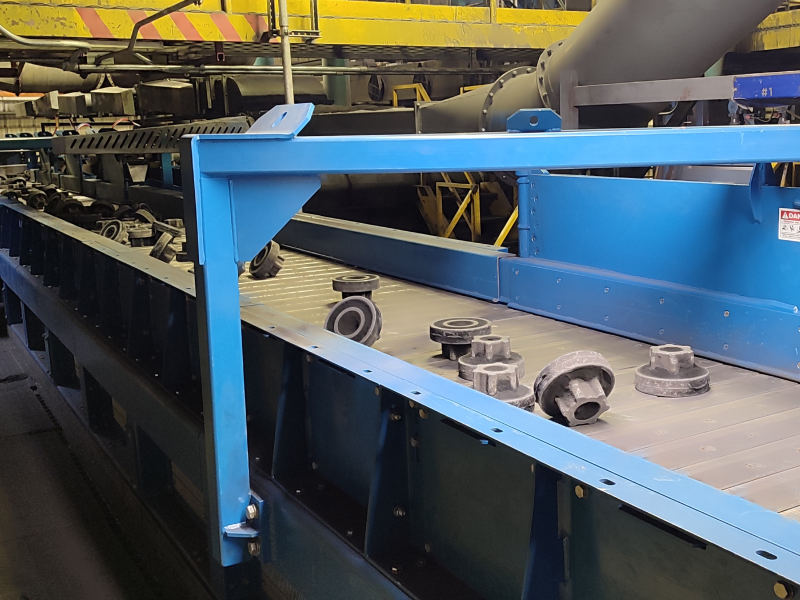
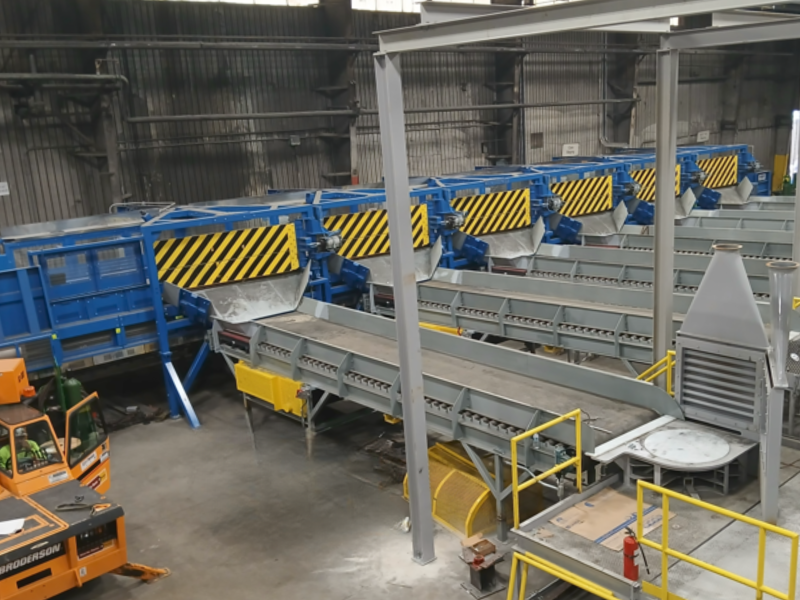
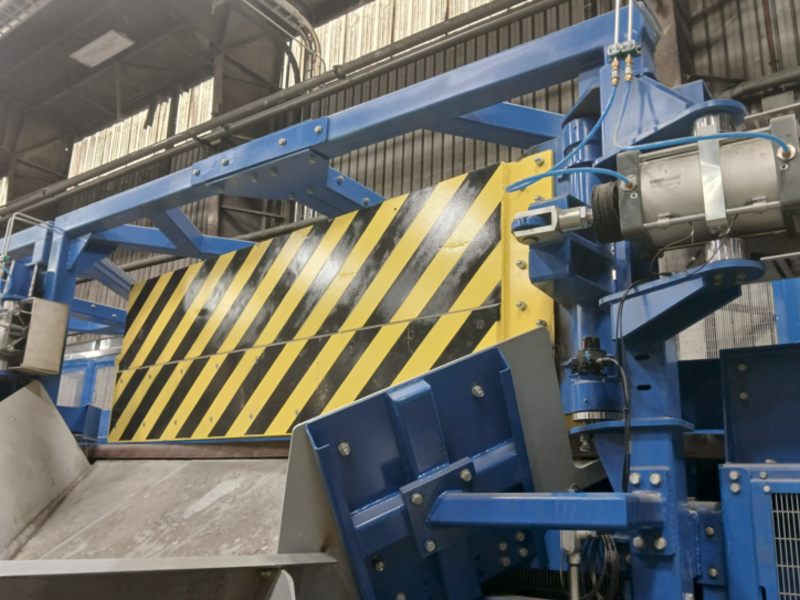
The transition to Automatic Casting Sorting requires a stable mechanical foundation. Magaldi has addressed this need with an ad hoc Superbelt® conveyor system - successfully deployed in top-tier North American foundries - featuring a unique, patented design:
- INTEGRATED SENSORS that detect the presence and positioning of castings during transport.
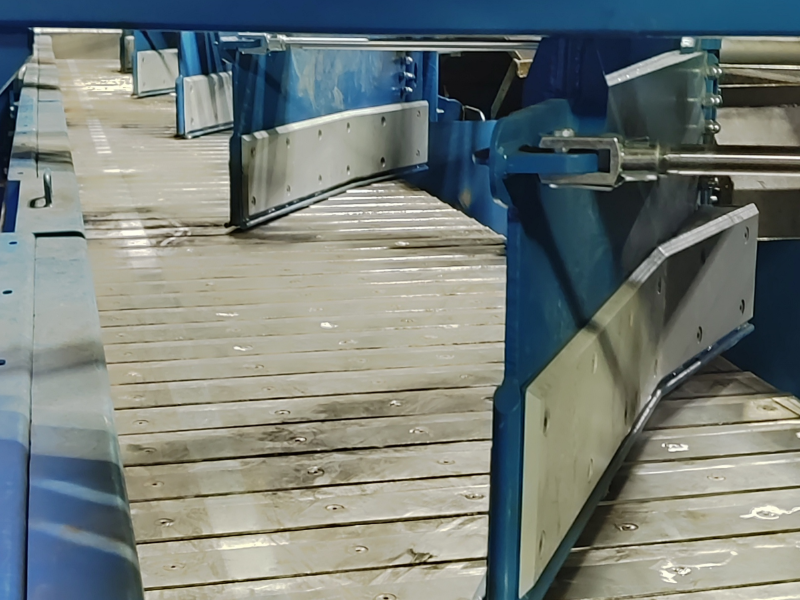
- MULTIPLE PLOWS AND SIDE CHUTES that enable precise material diversion at pre-defined discharge locations.
- FLAT BELT SURFACE FEATURING FULLY FLUSH STEEL PANS (rather than overlapping) and turn-down sidewalls that prevent mechanical interference between the belt and the plows, eliminating the risk of jammed parts.
In a typical configuration, castings are loaded in batch mode. The operator selects the sorting profile via a local control panel, and the system automatically activates the corresponding plow, diverting castings into the designated chute.
Operational Impacts
By removing operators from hazardous zones, the automatic sorting system significantly improves workplace safety while enabling the reallocation of human resources to higher-value activities. At the same time, the elimination of manual variability stabilizes the entire production flow. The result is a more predictable process, where takt time is controlled rather than influenced by external factors.
From an economic perspective, this translates into a lower Total Cost of Ownership, driven by:
- Reduced scrap and rework
- Improved equipment utilization
- Lower maintenance and downtime
- Decreased safety-related costs.
👉 Kill the '3D' struggle before the labor shortage kills your productivity.
Get in touch with our experts to fast-track your 3D-elimination strategy!